echnological Evolution
As we look at the future of crypto in 2025: what to expect, technology remains the driving force behind the industry’s rapid transformation. Blockchain innovation is evolving at record speed, solving long-standing challenges like scalability, interoperability, and energy efficiency.
Layer 2 Solutions and Scalability
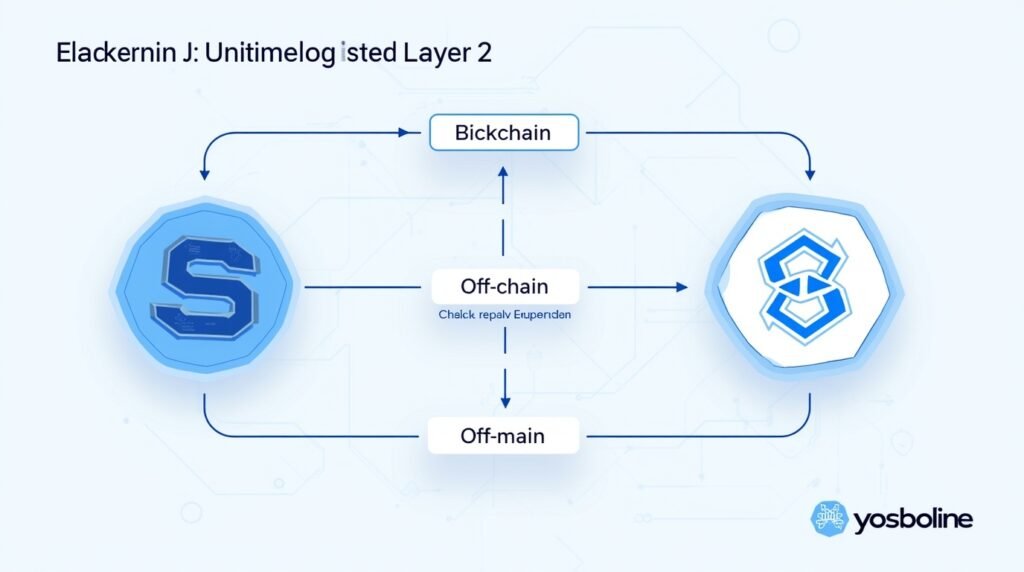
One of the biggest breakthroughs in 2025 is the widespread use of Layer 2 scaling solutions. Technologies such as Optimistic Rollups and zk-Rollups are helping blockchains like Ethereum handle thousands of transactions per second while keeping fees low. This shift is making crypto more practical for everyday users and businesses alike.
Integration of Artificial Intelligence (AI) and Blockchain
AI is becoming a core part of blockchain innovation. In 2025, expect smarter decentralized apps that use AI for predictive analytics, fraud detection, and automated smart contracts. This fusion of AI and crypto is creating a more secure and intelligent digital economy.
Evolution of DeFi and Web3 Infrastructure
Decentralized Finance (DeFi) continues to mature in 2025, with safer protocols, improved liquidity systems, and stronger user protections. Web3 platforms are also enhancing interoperability — allowing users to move assets seamlessly across different blockchains without technical barriers.
Central Bank Digital Currencies (CBDCs)
Another major trend shaping the future of crypto in 2025 is the expansion of CBDCs. Countries around the world are launching digital currencies backed by central banks to modernize payment systems and increase financial inclusion. While CBDCs differ from decentralized cryptocurrencies, they are pushing global awareness and trust in digital assets.
Regulatory & Economic Landscape
When analyzing the future of crypto in 2025: what to expect, one of the most important factors to watch is the evolving regulatory and economic environment. Governments and financial institutions worldwide are working to balance innovation with oversight, shaping how the crypto market will operate in the coming years.
Global Regulatory Developments
In 2025, crypto regulations are becoming clearer and more standardized across major economies. The United States and European Union are leading efforts to define frameworks around stablecoins, decentralized finance (DeFi), and digital asset taxation. Meanwhile, countries in Asia and Latin America are introducing crypto-friendly policies to attract innovation and investment.
The Push for Transparency and Compliance
Governments and blockchain projects alike are prioritizing transparency. Expect stronger Know Your Customer (KYC)and Anti-Money Laundering (AML) measures, as well as improved blockchain analytics tools that trace suspicious transactions. While this adds compliance burdens, it also helps legitimize the industry and attract institutional investors.
Economic Impact and Institutional Adoption
The global economy continues to integrate cryptocurrencies into mainstream finance. By 2025, more banks and asset managers are offering crypto investment options, and Bitcoin ETFs have become widely accepted. This growing institutional participation stabilizes prices, increases liquidity, and drives broader public trust in digital assets.
Balancing Decentralization and Oversight
One of the biggest challenges in the future of crypto in 2025 is maintaining decentralization while embracing necessary regulation. The goal for both governments and innovators is to create a fair ecosystem that supports innovation without stifling it. Finding this balance will define the next phase of crypto’s maturity.
Market & User Adoption
When exploring the future of crypto in 2025: what to expect, one of the strongest indicators of growth lies in market trends and user adoption. The cryptocurrency industry has evolved far beyond speculative trading — it’s now becoming a functional part of daily life, business operations, and financial systems around the world.
Mainstream Consumer Adoption
By 2025, more consumers are using cryptocurrencies for everyday payments, remittances, and savings. Thanks to faster and cheaper blockchain networks, users can now send and receive money globally in seconds. Crypto debit cards, digital wallets, and payment integrations with major e-commerce platforms have made digital currencies more accessible than ever.
Enterprise and Institutional Integration
Businesses and large financial institutions are playing a major role in expanding adoption. Enterprises are using blockchain for supply chain transparency, data security, and cross-border payments. Meanwhile, institutional investors are adding cryptocurrencies to their portfolios as a hedge against inflation and a driver of long-term growth.
Growth in Emerging Markets
Emerging economies are leading in real-world crypto adoption. Countries in Africa, Latin America, and Southeast Asia are using digital currencies to overcome inflation, lack of banking infrastructure, and currency instability. This grassroots adoption is creating new opportunities for financial inclusion and entrepreneurship.
The Rise of Digital Identity and Web3 Participation
As Web3 continues to expand, users are beginning to own their digital identities, data, and assets. In 2025, decentralized apps (dApps) and metaverse platforms are allowing people to interact, earn, and transact without intermediaries. This shift toward user ownership is one of the most transformative aspects of the future of crypto in 2025.